Table Of Content
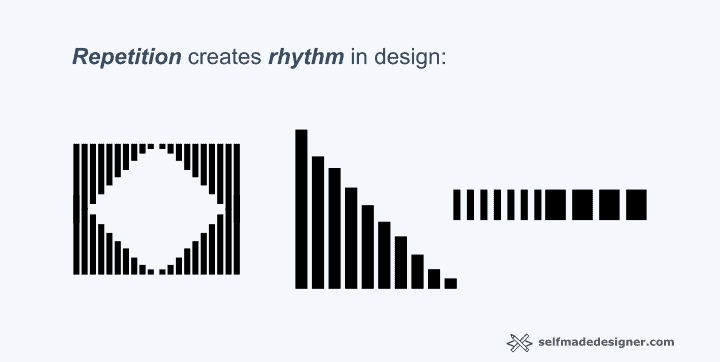
What rarely gets mentioned is how these patterns describe text-heavy pages. Enables personalizing ads based on user data and interactions, allowing for more relevant advertising experiences across Google services. Repetition is simply repeating a single element many times in a design. For example, you could draw a line horizontally and then draw several others next to it.
Blending toward the abstract: Leslie Anderson's lifelong entanglement with art - Tallahassee Democrat
Blending toward the abstract: Leslie Anderson's lifelong entanglement with art.
Posted: Thu, 07 Sep 2023 07:00:00 GMT [source]
Questions related to design principles
Artfilemagazine is your online art source, covering everything from artists, artworks, art periods, photography, and architecture to color theory. This suggests a linear perspective and is therefore an example of progressive rhythm rather than regular or irregular rhythm. Some have argued that the classic artwork by Gerard Sekoto, Song of the Pick (1947) is an example of regular or irregular rhythm.
Building a Solid User-Centered Design Process
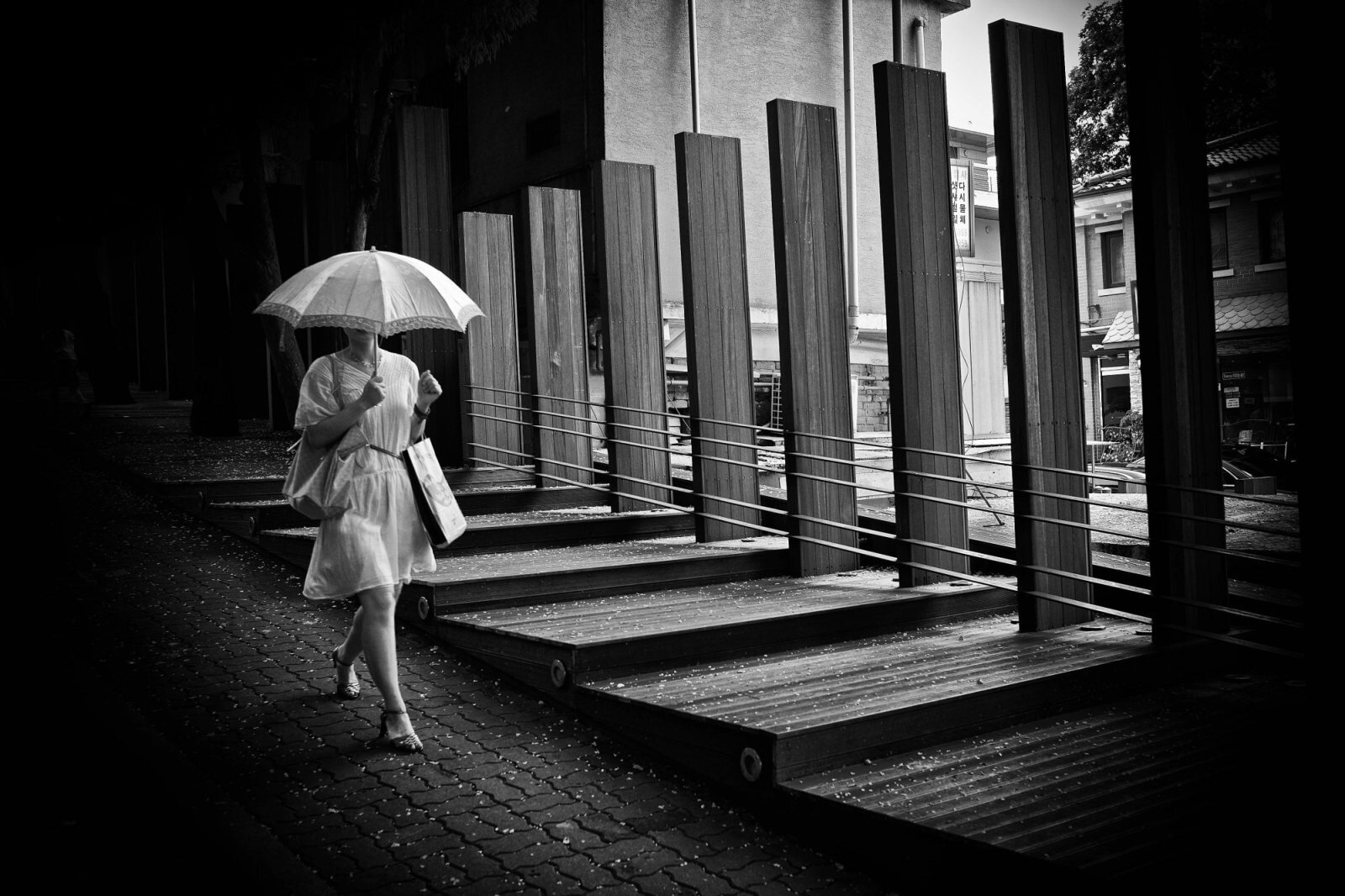
Architects can use different kinds of building elements to create rhythm in architecture. By changing the proportions and scale of the building elements via repetition, light and shadow, they can achieve rhythmic designs. Rhythm is something that catches the viewer’s eye and continues to move it through the artwork. You don’t have to use too much repetition, but using a repetition of colour for example, can produce a sense of unity and harmony that ties the piece together. Alternation is when two or more different elements are rhythmically alternated to create a visual pattern. Renoir alternates the blue of the lake and the woman’s dress, with the bright red of the boats.
Design Principles: Repetition, Pattern, and Rhythm
So you want to understand the ins and outs of repetition in art, huh? Repetition, as a concept, is all about the power of repeating a visual element in an artwork. It can be anything from a shape, a color, a line, or even a texture, and it’s used to create a sense of harmony and unity within the piece. The use of repeated visual elements is a technique designers commonly employ in web design.
Flowing rhythm in art
Some of those principles are closely related to the principles mentioned above. Hierarchy is most easily illustrated through the use of titles and headings in a design. The title of a page should be given the most importance, and therefore should be immediately recognizable as the most important element on a page. Headings and subheadings should be formatted in a way that shows their importance in relation to each other as well as in relation to the title and body copy.
Visual Aesthetics
These woodblock prints by Katsushika Hokusai are excellent examples of line and movement and how this principle of movement is used within a composition. Take note of where your eye immediately goes when viewing these pieces of art. When a lot is going on on a page, viewers can easily become overwhelmed with all the information they need to take in. It makes any available text more readable and creates an all-around better user experience. Unity in design is how different visual elements come together to create cohesion and completeness in the design and a harmonious effect. Repeating or alternating a group of different elements in the same order and at specific intervals is a way to create rhythm in design.
How to create rhythm in interior design - Homes & Gardens
How to create rhythm in interior design .
Posted: Fri, 03 Mar 2023 08:00:00 GMT [source]
Consider implementing techniques such as the use of line, shape, color, and texture to establish patterns and create a sense of rhythm. By utilizing these different types of patterns, artists can create a variety of visual rhythms to evoke different emotions and moods. As you can see, repetition goes beyond just creating copies of the same element. It’s about creating a sense of movement and rhythm that elevates the artwork and creates an immersive experience. In this article, we will explore the principles of design and how they relate to the repetition and rhythm in art. When you repeat elements, the intervals between those repetitions can create a sense of rhythm in the viewer and a sense of movement.
Alternating Rhythm in M.C. Escher’s Regular Division of the Plane with Reptiles/ Lizards no.56 (
While the interval can vary depending on the length of the text in each entry, it’s fairly predictable and a regular rhythm. A pattern and a rhythm will exist as soon as you add multiple elements to the page. It’s going to be there no matter what you do so, again, you should learn to control it.
White Space

In the example of Caravaggio’s oil painting, the dark and light values contrast to create emphasis. However, the shapes of the figure, skull and fabrics mirror each other, producing harmony and unity. The viewer will likely pay attention to the figure, then the skull, then the fabric and book, then back to the figure.
While actual weight is a factor in sculpture and architecture, the principle of balance most often refers to the visual heaviness of shapes and forms in an artwork. An artwork’s balance affects the equality and tension of the composition and can lend a feeling of calm or chaos to the work. This size manipulation draws the viewer’s eye where the artist wants attention. In this fun rhythm in art examples video, the differences between pattern, repetition, and rhythm are described and put to music. Below you’ll find an explanation of each of the principles of design, including artwork examples and links to helpful materials for teaching the individual concepts.
You could add shade to the smaller circles progressively so that the smallest one at the top is dark, the middle one in partial shade, and the biggest one only slightly shaded. If you were to video someone dancing and then examine that video frame-by-frame, you would have a progressive rhythm. I’m referring to accent colors for more permanent things such as draperies, artwork and painted furniture pieces. Lastly, we want to mention the facade of the Louvre Museum in Paris. Arches, pilasters, windows and sculptures are the main elements that create these rhythms.
Pattern is distinct from repetition as it often contains more than one repeated element. While repetition is the foundation of pattern, pattern is more complex. Pattern uses repetition to make an artwork more dynamic and yet more balanced. Thus, rhythm and pattern are also alike, except rhythm has a bit more flow.
Rhythm is a principle of art that helps to create movement, structure and focus within an artwork. This creates a visual trajectory for the viewer that feels rhythmic. Some colours or shapes in an artwork will hold the viewer’s attention for longer, while others will act as negative space.
By repeating a particular texture, you can create a tactile quality that adds a dynamic element to your composition. Experiment with different textures, such as rough, smooth, and shiny, to see what works best. Yayoi Kusama’s Infinity Mirrored Room is a mesmerizing installation that features multiple reflective surfaces and tiny lights. The repetition of the mirrors and the lights creates a sense of infinity and gives the viewer a feeling of being lost in space. By repeating the same elements over and over, Kusama creates an immersive and otherworldly experience.


No comments:
Post a Comment